4 Signs You Should Wear a Night Guard While You Sleep
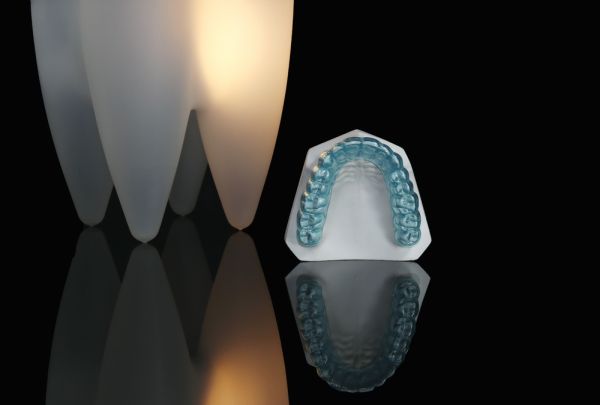
A night guard is usually recommended for protecting the teeth from damages caused by excessive teeth grinding or clenching. Teeth grinding, otherwise called bruxism, is a common issue. The patient is often unaware of the habit until someone calls their attention to it.
If you are experiencing any of the following signs, you may need to start wearing a night guard before going to bed.
4 Signs you might need a night guard
The following is a list of four clues that might indicate you might need to wear a night guard while you sleep.
1. Morning headaches
Do you often wake up in the morning with a severe headache? The pain you feel may be due to grinding your teeth at night, which is why a mouth guard may be necessary. Although the night guard will not stop you from grinding your teeth, it will help take the pressure off the teeth and jaws. You should consider a few relaxation techniques before sleeping since stress and anxiety are known to cause bruxism.
2. Chipped or broken teeth
If you discover your teeth are chipped or have broken pieces, it could mean that you have been grinding your teeth, especially at night. Chipped teeth need to be repaired by the dentist, but it could also mean taking active measures to protect your teeth. Teeth grinding puts excessive force on the enamel and could cause damages to the teeth. The cost of repairing chips and breaks can be high, and your teeth could also be at risk for cavities. Before you cause additional damage, discuss the option of a nightguard with your dentist.
3. TMJ disorder
The temporomandibular joint disorder is caused by the inflammation of the jaw muscles. Teeth clenching and grinding is the primary cause of this problem. If you have been diagnosed with TMJ disorder, the dentist will likely suggest wearing a nightguard. It will not only reduce the grinding but also reduce the pain caused by the disorder.
4. The molars appear flat
If you discover that your molars appear to the flatter than usual, you have probably been grinding your teeth too much. Bruxism abrades the chewing surfaces of the teeth over time, causing significant damages. The progress is so gradual that you might not realize any difference until the harm is done. Examine your teeth in the mirror and check the surfaces. If they look shorter or flatter than they used to be, you may need to get a nightguard to protect your teeth.
In conclusion
Chewing on items such as ice, gums, or pencils during the day sometimes enforces the grinding habit, and chances are that you are doing the same while sleeping. Consciously try to stop chewing mindlessly during the day to get relief.
If you notice signs of teeth grinding, contact your dentist for a consultation. The dental expert will examine your oral cavity to know the cause and suggest suitable treatment. Although a mouthguard cannot cure teeth grinding, it will prevent the teeth from hitting directly against each and provide a cushioning effect that absorbs the grinding force.
Request an appointment here: https://sonorandesertdentistry.com or call Sonoran Desert Dentistry at (480) 439-0117 for an appointment in our Scottsdale office.
Check out what others are saying about our services on Yelp: Read our Yelp reviews.
Recent Posts
Invisalign® is a popular brand of clear aligners for people who want to straighten their teeth without braces. Treatment is flexible, discreet, and effective, provided the patient is a good candidate and wears the aligners as directed. Here are some important things to know to help you get the most out of Invisalign treatment.Invisalign is…
Teeth-straightening with Invisalign® aims to improve your bite and smile. Straight teeth are more stable and easier to maintain. You can also reap many benefits in your career and social life with straighter teeth. Understanding the process can prepare you well for your first day of treatment. Here are some Invisalign FAQs to ask your…
Invisalign® clear aligners offer a way to straighten teeth without braces. Not everyone is comfortable wearing obvious brackets and wires, so clear aligners present a more flexible and discreet alternative. Explore this and the other benefits of Invisalign clear aligners and determine if you are a candidate.Treatment with clear aligners involves wearing a series of…
Bioclear offers a conservative way to repair chips, close small gaps, reshape teeth, and improve uneven edges. Unlike traditional bonding, this technique uses clear forms and warmed composite material to create smooth, natural-looking results. A cosmetic dentist may recommend it for patients who want conservative treatment without removing large amounts of healthy enamel.Traditional dental bonding…