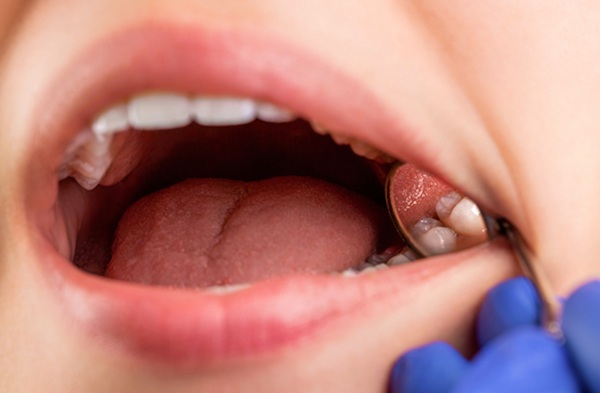
The FAQs of BioClear
Bioclear® can give you your dream smile. The only issue is that a traditional smile makeover may involve invasive procedures. Discoloration, missing teeth, and small teeth are only a few dental problems this treatment can resolve. You should know more about BioClear before you decide to have it. If you want to know more about this new way to transform your smile, here are the FAQs and their corresponding answers.
What is BioClear?
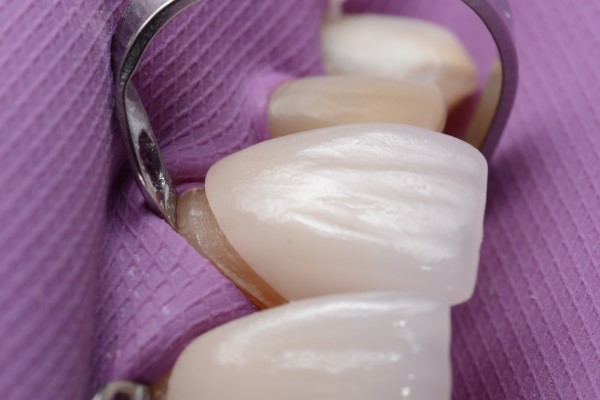
This is a novel method of dental restoration. It uses thin shells to create a composite material for the surface of teeth. The dentist will customize these shells to give the patient a stunning, natural-looking set of teeth. This is a less invasive method of covering any imperfection. It does not damage any healthy tooth structure.
What benefits can a person get from BioClear?
Even if a person does have a great smile, the person’s teeth will deteriorate without any treatment. Wear, discoloration, and even damage can happen over time. Busy people have no time to get a series of treatments. This new treatment can restore teeth in one dental visit. It does not need temporary restorations at all.
The dentist will not shave off healthy tooth structure to attach the thin shells. This new treatment is simple. It does not make any permanent changes to the teeth. The new treatment preserves the integrity and health of the natural tooth structure. The shells are also stain-resistant.
What can this new method treat?
This treatment can fix discoloration, chips, and fractures. It can also treat small-sized or uneven teeth and gaps. BioClear can also help patients with dark triangles between teeth. Many patients are choosing this treatment instead of bonding, crowns, or veneers.
How does it work?
Dentists recommend this treatment for the back teeth. Applying the composite involves using an injection molding technique. The patient can get the protection of a dental crown without going through the tedious process of getting a crown. A layer of composite material covers the teeth. It matches the color of the patient’s teeth, allowing it to blend well with them.
How long can it last?
It lasts for at least 10 years with proper care and maintenance. This involves brushing teeth at least two times a day and flossing before bed. The patient must also have routine dental checks. This will ensure the stability of the composite molds.
How different is BioClear from bonding, crowns, and veneers?
The new restoration technique lasts longer than dental bonding. It is also stain-resistant and more durable. Bonding is prone to dental damage and staining. It also needs frequent replacement. BioClear strengthens the natural structure of the tooth. The dentist does not need to shave off healthy tooth structures for the shells to adhere. This sets this new treatment apart from veneers or crowns.
BioClear can be the only teeth replacement you need to regain your smile
Traditional dental restorations often take time. Busy schedules tend to prevent you from getting a smile makeover. BioClear can give you all the advantages of dental crowns, veneers, or dental bonding but without lengthy appointments and tedious methods. One appointment with your dentist can give you the quick dental restoration you want.
Are you considering getting BioClear in the Scottsdale area? Get more information at https://sonorandesertdentistry.com.
Check out what others are saying about our services on Yelp: Read our Yelp reviews.
Recent Posts
Invisalign® can help you reach your smile goals. This teeth-straightening system can also relieve other problems from misalignment. Knowing if you are a good candidate can help you prepare for your treatment. Here are the details on determining if you are a good candidate for Invisalign.Clinical studies show that age is a significant factor in…
Dental implants provide a fixed tooth replacement option for individuals seeking to restore chewing ability, speech, and the appearance of their smile after tooth loss. Traditional dentures can effectively replace missing teeth, but removable appliances often require adjustments as the gums and jawbone change. Understanding these eight differences between each option can help patients explore…
Invisalign® has been making big waves in the orthodontic industry since its introduction in 1989. The system is a discreet way to straighten teeth using custom trays. Take a closer look at how the system stacks up against traditional braces and the conditions it can correct.Traditional braces are the most common orthodontic appliances, and with…
Many adults assume they are too old to undergo orthodontic treatment, such as Invisalign. However, this is untrue. Invisalign is an effective and discreet method for people of all ages looking to achieve a straighter smile. If you are looking for orthodontic treatment to improve your smile, here is why you should consider Invisalign as…