What are the Differences Between Dental Bonding and Veneers?
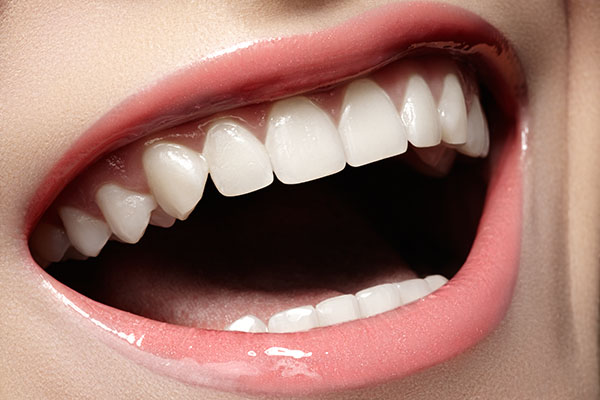
What exactly is dental bonding and how does it affect your smile? Having a nice smile can be a great confidence booster for anyone and can make a lasting first impression on meeting new people. For people who are less confident in their smile, there are always different procedures and treatment options to help you get the smile you deserve. Two of the most common dental procedures are dental bonding and dental veneers.
Dental bonding
Dental bonding is a great way to help restore and re-bond the patient’s smile. It is a procedure in which a resin material is applied and hardened with a special light to help restore a tooth or teeth. Dental bonding is generally done to repair a chipped or cracked tooth, a tooth that has decay or to close the spaces between teeth and improve the appearance of the tooth. It is one of the easiest and least expensive cosmetic dental procedures and is usually completed within an hour. However, it is important to note that the bonding materials used can chip or break off a tooth if the patient is not careful.
Dental veneers
Dental veneers are wafer-thin, custom-made shells of tooth-colored material that are designed to cover the front surface of teeth to improve its appearance. Dental veneers are commonly used to help change the color of the teeth or improve its shape, size or length.
Veneers can be made from a variety of materials, such as porcelain or resin composite, and can mimic the reflecting properties that come with a natural tooth. Veneers are used to routinely fix teeth that are worn down and potentially chipped or broken. They are also great for misaligned or uneven teeth that have bulges or gaps between them.
Veneers usually require three different visits to the dentist, as a mold of your teeth and consultation is generally required for impressions of your mouth and teeth. However, the materials used in dental veneers are sturdier and more stable than those used in dental bonding and are less likely to become worn over time.
Differences
Veneers are resistant to staining and have a natural look that helps them blend discreetly with the other teeth. They are also a long-lasting solution to an imperfect smile.
Dental bonding can be usually done in one visit, as no preparation of the tooth is required. However, it is only seen as a temporary solution to a chipped or damaged tooth. It is all about time and money when it comes to deciding which procedure is right for you.
Factors to consider
It is important to keep in mind that each case of cosmetic dentistry is different and dependent on a variety of factors. For simpler cases, such as a single tooth or imperfection, dental bonding is more than enough. It is also quicker and less of a hassle. For larger fixes and bigger imperfections, veneers are most likely the better option. If you are looking for the more stable option all around, veneers are the way to go.
As always, if you are unsure about which dental procedure is right for you, consult a professional. The health and quality of your smile are important — make it right today!
Are you considering dental bonding in the Scottsdale area? Get more dental bonding information at https://sonorandesertdentistry.com.
Check out what others are saying about our dental services on Yelp: Dental Bonding.
Recent Posts
Licensed dentists often recommend dental bonding to repair minor to moderate concerns with front visible teeth because the bonding material has many similarities with natural teeth. Dental bonding can protect the deeper layers of teeth, withstand the daily pressures teeth receive, and match the ideal shade of teeth.It is beneficial to understand how dental bonding…
Dental bonding is a great way to address oral health and cosmetic issues like damaged enamel and chipped or cracked teeth. Read on to learn more about dental bonding. Dental bonding is minimally invasive and considered safe for patients.Every patient should evaluate all available types of restorative dentistry to address their specific oral health concerns…
Dental bonding is an affordable way to fix many restorative and cosmetic dental issues, and it is often completed during a single visit. The materials used are made up of mixtures of plastics and glass, and they are color-matched with the rest of the patient’s teeth.It is a non-invasive way to repair teeth, and there…
Dental bonding can address cosmetic and structural issues that affect teeth. The treatment involves applying a composite resin to the patient’s teeth and shaping the composite as needed. The composite blends in with the rest of the person’s teeth, which ensures that any repairs performed look natural.The process of dental bonding does not cause any…