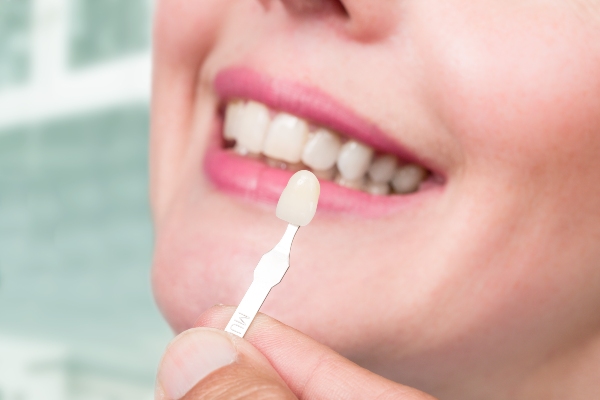
Seeing your dentist for dental veneers will start with a consultation. This is the right opportunity to find out more about this treatment. Understanding the process means asking the right questions. Here are three questions to ask your dentist before you get your dental veneers.
What are the ideal foods to eat with dental veneers?
If the patient chooses temporary veneers, these restorations are not attached with a strong adhesive. There are times when they may be displaced or even damaged. During the first days of getting these veneers, the patient must eat soft foods first. Here are the foods to avoid and eat once the dental veneers are on:
- Dark-colored drinks
- Crusty toast
- Sticky foods
- Tough or chewy meat
- Chocolate
- Seeds and crisps
- Staining foods
The patient must not choose foods that will cause biting hard, grinding, or chewing. Pressure on teeth increases with these dental actions. It may cause pain and even damage the dental veneers. Eating non-staining soft food is ideal. Here are some examples:
- Eggs
- Sliced chicken
- Soft canned foods
- Mashed potato
- Bread without crust
- Pasta
- Whitefish
- Bananas
Permanent porcelain dental veneers are easily polished and less prone to staining. The dentist can remove them right away, even if the veneers get some stains. Porcelain veneers are strong and stain-resistant. But to keep them in good condition, the patient must avoid the following:
- Tobacco chewing
- Hard foods
- Dark liquids
- Constant alcohol consumption
It is ideal to brush after each meal or snack. This prevents colored foods or drinks from staying longer on the veneers. Note that there could be temperature sensitivity right after getting the dental veneers. It is better to avoid cold and hot foods or drinks for a while.
How long is the dental veneer process?
It may take two to three dental visits to finish the process of getting dental veneers. Talking to the dentist about the timeline will allow the patient to check the scheduling. There will be a consultation first. The dentist will analyze and measure the patient’s facial features. This will secure the exact look and fit for the dental veneers.
The second dental visit will be longer than the first one. This will happen three weeks after the first appointment. The dentist will shave off some of the enamel so that the veneers fit well. The dental veneers are still at the lab during this time.
The last appointment will happen two to three weeks after the second one. The dental veneers are already at the clinic. The dentist will customize the veneers to fit the patient’s teeth. Cementing the veneers to the teeth will follow. Shaping and polishing the treated teeth will come next. The patient will go home with rejuvenated teeth.
Who is a good candidate for dental veneers?
Dental veneers are popular dental restorations. Some people can get it, while others cannot. The dentist will assess the patient first. An individual can get veneers if yes is the answer to the following:
- Good oral hygiene and oral health
- Severe dental staining that even professional teeth whitening treatments cannot correct
- Healthy enamel layer
- Minor dental cosmetic problems
- Mild to moderate dental gaps
The mentioned questions can guide you when you get dental veneers
Correcting mild to moderate dental damage and severe staining is possible with dental veneers. Asking your dentist the right questions can guide you from the first day onward. Working with your dentist can prevent your veneers from failing. Dedication to good dental care can help make your veneer treatment pleasant for many years.
Request an appointment or call Sonoran Desert Dentistry at 480-439-0117 for an appointment in our Scottsdale office.
Recent Posts
If you are tired of feeling self-conscious about your smile, then dental veneers may be the solution you are looking for. They can help repair chipped, stained, or misaligned teeth. This blog guide will walk you through everything you need to get dental veneers.Dental veneers are thin, custom-made shells that a dentist places over the…
Dental veneers are porcelain or composite resin shells that fit over the front of the teeth, correcting cosmetic imperfections. Their average lifespan is about ten years. However, taking care of veneers from the start can help them last up to 20 years. This article will discuss what to expect after getting veneers and provide aftercare…
Dental veneers are an investment. Getting these restorations is a significant decision. The permanence of having these shells on your teeth needs commitment. Knowing how to make these restorations last longer can help motivate you to care for them even more. Here are some advice and tips on how to make your dental veneers last…