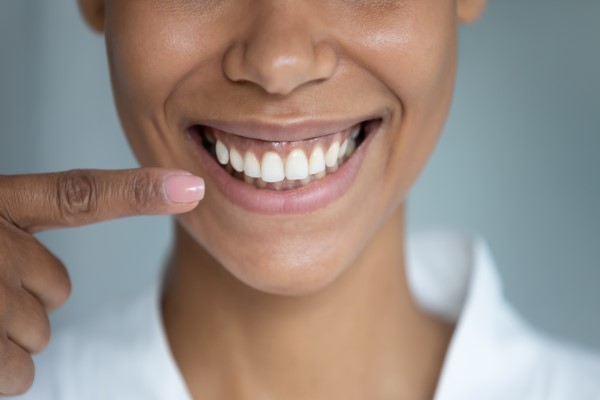
Modern teeth straightening gives people more choices than metal brackets and wires. Today's options focus on comfort, discretion, and steady results that fit busy routines. Understanding these choices helps set realistic timelines and budgets while keeping expectations clear. With the right plan from a general dentist, teeth straightening can improve bite, speech, and confidence without drawing extra attention.
What does "without traditional braces" really mean?
Traditional braces typically refer to metal brackets on the front of teeth, accompanied by a visible wire. Nontraditional paths still guide tooth movement, but they do so with clear trays, less-visible materials, or solutions that reshape the smile without moving every tooth. The most effective choice depends on the alignment goals, gum health, and the extent of necessary change.
Five teeth straightening options to consider
Below are common paths that avoid standard metal-on-front braces. Each has its strengths and limitations, so a dentist will match the method to the patient's bite and lifestyle.
Clear aligners
Removable, nearly invisible trays that shift teeth in small steps. They suit mild to moderate croding or spacing and allow easy brushing and flossing. Success requires wearing trays 20-22 hours per day.
Ceramic or clear brackets
Tooth colored brackets on the front of teeth that blend with the enamel. They are less visible than metal and handle a wide range of movements. Extra care reduces staining around the brackets.
Lingual braces
Brackets and wires are placed behind the teeth, hidden from view. They can treat complex alignment while staying discreet. Speech may need a short adjustment period.
Active retainers for minor movement
Retainers with gentle springs or wires make small corrections after orthodontic relapse or for slight spacing. They are not for major bite changes, but can fine-tune the smile.
Cosmetic alternatives
There are options available that create the appearance of straight teeth, but do not actually change the position of the jaw or teeth—bonding and veneers. These do not move teeth, but they do reshape them, close small gaps, and mask discoloration. They deliver results when alignment issues are minor and bite forces are stable.
How to choose the right path
Decision-making starts with a thorough examination that includes photos and digital scans. Clear aligners often work well for mild to moderate cases and for people who value removability during meals and discretion. Ceramic or lingual systems may be suitable for individuals who require stronger control or complex tooth movements, without a metal appearance. Cosmetic options make sense when tooth positions are close to ideal, but edges, gaps, or color need improvement. The dentist will also check gum health and bone support, since healthy foundations make teeth straightening safer and more predictable.
What the process looks like
Regardless of the teeth straightening option the dentist recommends, the process is streamlined. Patients can expect the following:
- Assessment and planning. Exam, X-rays or scans, and a digital setup that previews the proposed result
- Active treatment. Aligner changes, wire adjustments at set intervals, and hygiene and progression checkups
- Refinement. Small tweaks near the end to polish the bite and align edges
- Retention. Custom retainers to hold the new position and protect the investment
Daily habits that protect results
Healthy routines make every option work better. The dentist will encourage patients to brush twice daily, floss nightly, and, if wires and brackets are involved, to use a water flosser to thoroughly remove plaque buildup in tight spaces. For aligners, rinse the trays with gentle soap and lukewarm water—not hot— and store them in their appropriate case.
Further, for patients who have brackets and wires, avoiding sticky or hard foods can help protect the hardware during treatment. While there are no specific diet changes necessary for clear aligners, there is an adjustment period for the first few days after receiving each new set. Therefore, patients will also want to avoid these foods to prevent discomfort.
Time, cost, and comfort
Treatment time varies by case complexity, not just by the method chosen. Mild spacing may finish in months, while larger corrections take longer. Costs also vary with case length, materials, insurance providers, and the need for refinements. Moreover, comfort improves when movement occurs in small steps. Each teeth straightening option will come with an adjustment period, but it often settles quickly. If a patient feels significant discomfort more than a few days after receiving their appliance or after a refinement appointment, contact the dentist for an adjustment or tools that can help, like dental wax.
Explore teeth straightening options at Sonoran Desert Dentistry
Modern teeth straightening offers discreet and effective solutions that fit seamlessly into everyday life, from clear aligners to lingual systems and carefully chosen cosmetic options. The best plan strikes a balance between goals, gum health, time, and day-to-day commitment. If you are ready to straighten your teeth, contact Sonoran Desert Dentistry to schedule an appointment and explore your options.
Request an appointment here: https://sonorandesertdentistry.com or call Sonoran Desert Dentistry at (480) 439-0117 for an appointment in our Scottsdale office.
Check out what others are saying about our dental services on Yelp: Teeth Straightening in Scottsdale, AZ.
Recent Posts
For a brighter smile, teeth bleaching is becoming a common treatment for adults. If you are unhappy with the way your teeth look, this could be a viable solution to your concerns. Yellow, brown, or gray discoloration of the teeth can be embarrassing and make you want to hide your smile. The good news is…
Many people want to have teeth bleaching treatments to improve the appearance of their teeth. You may be considering it already. Deciding between dental bleaching and whitening can be tough if you do not know if these terms are different from each other. If you want to know if teeth bleaching and whitening refer to…
Various factors affect tooth color, including genetics, food and beverage choices, smoking, and medications. Stains can occur on the surface of the tooth or beneath the enamel. Surface stains are common, but stains can also occur due to changes within the tooth's material. Extrinsic stains are stains on the surface of the tooth, while intrinsic…
Professional teeth whitening can restore a patient's confidence by giving them a bright, gleaming smile. There are many different teeth whitening products available for home use, but the methods used to whiten teeth by a dentist can be more effective than over-the-counter alternatives. Here is what a potential patient should know about how the process…