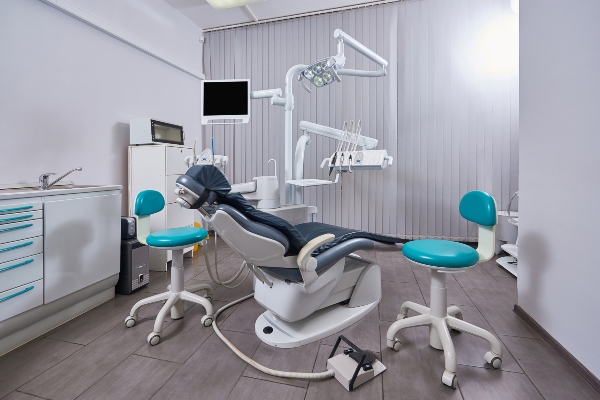
 Filling cavities is one of many services that a family dentist provides. Cavities are holes in teeth that occur due to tooth decay. However, if the decay is caught early, it may be possible to reverse it before a cavity forms. Understanding how and why tooth decay happens may make it easier to learn how to prevent or reverse it.
What Causes Tooth Decay?
Tooth decay happens because of acid in the mouth. The human mouth contains hundreds of bacteria. When people consume foods that include carbohydrates and sugars, these foods react with the bacteria to produce acid. The acid coats the teeth with a sticky film called plaque.
Over time, exposure to the acid breaks down the minerals in the tooth. This causes the tooth's surface to become weaker. A family dentist can identify tooth decay with an examination and X-rays. The dentist can also determine how far the decay is advanced. If it is still in the early stages, the dentist may recommend lifestyle changes to prevent the decay from progressing further and causing a cavity.
How Can Tooth Decay Be Reversed?
Making changes in diet or oral hygiene may prove helpful. The following methods have been effective in some cases.
Food and drink
Patients should avoid consuming any food or drink that could promote tooth decay. This includes foods that contain carbohydrates and natural or manmade acids and sugars. Instead, patients should choose helpful foods. Items with naturally occurring probiotics may help control harmful bacteria. Patients should also choose foods that contain vitamins and minerals used to build teeth. Taking supplements of calcium, iron, magnesium and vitamin D may also be useful.
There are two schools of thought about drinking coffee. Some think it should be avoided because it can upset the pH balance in the mouth and promote acid formation. However, others believe that it has helpful antibacterial properties. Individuals looking for a caffeine substitute may wish to try green tea, while those who choose to drink coffee should take it black.
Instead of drinking sugary sodas or juices, patients should drink water instead. Its pH balance neutralizes the acid. It is better to drink tap water than bottled water because the former is fortified with fluoride. Although bottled water may contain fluoride too, it usually is not in sufficient quantities to help with tooth decay.
Hygiene
Since it is a mineral, fluoride helps to build up teeth and protect them from decay. In addition to drinking fluoridated water, patients can help reverse tooth decay by brushing teeth with a toothpaste containing fluoride. A family dentist can also perform fluoride treatments during a routine dental appointment by applying it directly to the teeth in the form of varnish or gel.
To prevent and possibly reverse tooth decay, patients should brush for two minutes at a time twice a day. They should floss at least once a day. Some dentists recommend the use of mouthwash due to its antibacterial properties.
Check out what others are saying about our dental services on Yelp: Family Dentist in Scottsdale, AZ.
Conclusion
These methods may be effective at reversing tooth decay that has not progressed significantly. However, once a cavity forms, it is too late. The patient then requires a filling from a family dentist.
Request an appointment or call Sonoran Desert Dentistry at 480-439-0117 for an appointment in our Scottsdale office.
Recent Posts
A family dentist plays a central role in long-term oral health, and choosing the right family dentist helps households stay consistent with preventive care. Because dental needs evolve from childhood through adulthood and into later years, the ideal practice supports a wide range of services in one location. The right choice reduces stress, simplifies scheduling,…
A family dentist might recommend fluoride treatments for patients with decayed or sensitive teeth. These treatments can reverse the demineralization stage of gum disease and strengthen enamel, protecting teeth from decay for up to six months. Fluoride treatments are often performed after teeth cleanings to protect patients until their next routine appointment.Fluoride is a natural…
If you follow recommendations from the American Dental Association, you should visit your family dentist twice a year. These visits provide more than just a cleaning and dental exam; they give you the opportunity to talk with your dentist about proper oral healthcare. While it could be intimidating or embarrassing to open up to your…