Dental veneers may be the most effective option to repair uneven, misshapen, or broken teeth. They can also help reduce gaps in the teeth. Traditional veneers come in two main types: porcelain and composite resin. While both can help you achieve that movie-star smile, they have some differences. This article will explore both porcelain and composite resin veneers to assist in finding the right option for you.
Porcelain veneers
Porcelain veneers are thin shells of porcelain tailor-made for each patient. The porcelain matches the color and translucence of a natural tooth, allowing the veneers to blend in with the rest of the teeth. Porcelain's stain resistance, strength, and durability allow the veneers to act like real teeth. With proper care, they can last up to 20 years. Additionally, porcelain veneers can treat minor and more severe cosmetic imperfections, like gaps and uneven spacing.
How dentists apply porcelain veneers
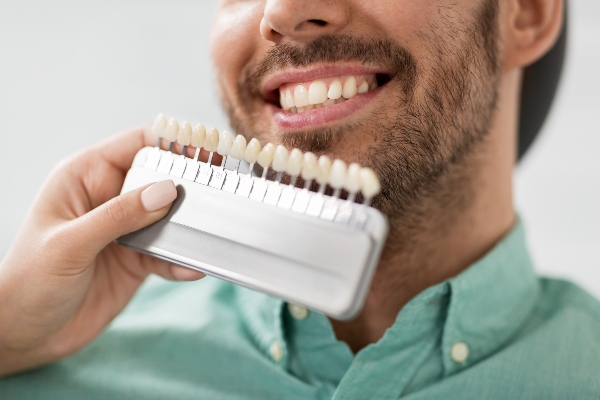
Applying porcelain veneers is a multistep procedure. First, the dentist will shape the teeth by grinding down the tooth enamel (the outermost layer of the tooth). However, this is an irreversible process; enamel cannot grow back. Next, the dentist will take impressions of the teeth and find the right tooth shade so that the lab can make the veneers. The permanent veneers will typically arrive in one to two weeks; the patient will wear temporary veneers during this waiting period.
At the second appointment, the dentist will confirm that the patient is happy with the porcelain veneers' shade, shape, and fit. Finally, the dentist will then bond the veneers to the prepared teeth. The patient will be able to return to their regular activities immediately afterward.
Composite veneers
Composite dental veneers consist of composite resin, a tooth-colored resin material. Resin is the same material used in dental bonding, a process often utilized to fill cavities.
Composite resin veneers have many advantages. For one, they are a more affordable option than their porcelain counterparts. Secondly, it only takes a single appointment to get composite veneers — impressions do not need to be taken or sent to a lab. They may not last as long as porcelain veneers, with a lifetime of about five to seven years, but the resin allows for easy replacement. Many patients choose composite veneers for their affordability and flexibility.
Application takes one appointment
Perhaps the greatest benefit of composite veneers is their quick application process — only one appointment is necessary. The dentist will help the patient choose the right shade before applying the composite resin to the teeth. Then, once the resin hardens after exposure to ultraviolet light, the dentist will shape, smooth, and polish the veneers to achieve the desired result.
Find the right veneer for you
Both porcelain and composite resin veneers can help patients attain a movie-star smile. To learn more about the pros and cons of each, consult a member of our team. We look forward to speaking with you.
Request an appointment or call Sonoran Desert Dentistry at 480-439-0117 for an appointment in our Scottsdale office.
Recent Posts
Dental veneers can help improve tooth color, shape, and size with a customized cosmetic treatment plan. They are a great fit for patients who think their smile looks uneven because of deep stains, worn edges, small gaps, chips, or teeth that appear shorter than others. Learning how veneers work can help you determine whether they…
Choosing dental veneers offers a reliable path toward a smile that feels more confident and looks entirely natural. While many people opt for over-the-counter (OTC) whitening or minor bonding, these options often fall short when addressing deep stains or uneven tooth shapes. Visiting a general dentist can help you understand how these thin shells work…
If you are tired of feeling self-conscious about your smile, then dental veneers may be the solution you are looking for. They can help repair chipped, stained, or misaligned teeth. This blog guide will walk you through everything you need to get dental veneers.Dental veneers are thin, custom-made shells that a dentist places over the…