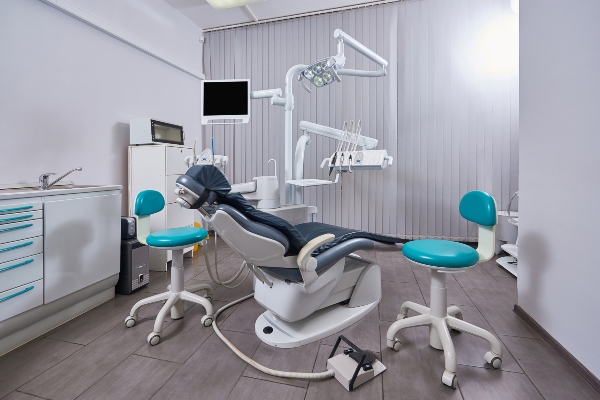
As a cosmetic dentist, we are in the practice of giving people a beautiful smile that they can be extremely proud of. To do this, we have a number of treatment options, some of which we often group together for a better effect. One of the treatment options that we have found to be extremely effective for a number of different challenges is the use of dental veneers.
What you need to know about dental veneers
Some of the challenges that dental veneers or even dental Lumineers® can resolve include mild to moderate malocclusion, teeth with unsightly gaps, broken teeth, chipped teeth, and even teeth that are extremely discolored. The sheer versatility of dental veneers or Lumineers® gives a cosmetic dentist the ability to resolve multiple issues with the same techniques, which means that the patient does not have to have multiple treatments even if there are several problems to solve at one time.
If a patient comes in to see the cosmetic dentist with a cracked tooth, we can use dental veneers or Lumineers® to resolve this issue, while also whitening the tooth permanently through the use of this treatment option. This proves to be more than just convenient, it is also cost-effective.
Difference between dental veneers and Lumineers®
There are several differences between dental veneers and Lumineers® since a cosmetic dentist uses both to correct a number of problems with teeth. Dental veneers are an extremely thin piece of material, typically porcelain, which we can shape to match the patient's teeth. To place porcelain veneers, we will need to shave away a portion of the tooth's natural enamel.
Under most circumstances, this is enamel that has become damaged or discolored so it is easy to justify the removal of this enamel. Once the enamel has been removed we would place the dental veneer in the place created for it and cement it in place. This is considered to be a semi-permanent restoration since one cannot just remove the dental veneers without replacing them after they have been cemented in place since there is missing enamel.
Benefits of Lumineers®
When it comes to Lumineers®, a cosmetic dentist will explain that Lumineers® are thinner than dental veneers. This means that there is much less shaving of the enamel necessary. Since Lumineers® are thin and consist of porcelain, they also look identical to the surrounding teeth. The difference is in the fact that the patient may not have to lose any enamel in order to properly fit Lumineers®.
If there is no damage to the teeth and the looking for a solution that can be removed with relative simplicity, Lumineers® may be a good option. They do provide a good barrier for the teeth, protecting them and also giving the patient the smile he or she wants. Lumineers® are also much easier and faster to place, which is an added advantage.
Depending on what situation the patient is in, and what the patient's needs are, the cosmetic dentist will recommend the best solution for the individual patient. Often times we find that dental veneers are a better long-term solution while Lumineers® is a quicker fix.
Call us today
Call us at (480) 439-0117 for more information from Sonoran Desert Dentistry or to schedule an appointment in our dentist office in Scottsdale.
Dental veneers can help improve tooth color, shape, and size with a customized cosmetic treatment plan. They are a great fit for patients who think their smile looks uneven because of deep stains, worn edges, small gaps, chips, or teeth that appear shorter than others. Learning how veneers work can help you determine whether they…
Choosing dental veneers offers a reliable path toward a smile that feels more confident and looks entirely natural. While many people opt for over-the-counter (OTC) whitening or minor bonding, these options often fall short when addressing deep stains or uneven tooth shapes. Visiting a general dentist can help you understand how these thin shells work…
If you are tired of feeling self-conscious about your smile, then dental veneers may be the solution you are looking for. They can help repair chipped, stained, or misaligned teeth. This blog guide will walk you through everything you need to get dental veneers.Dental veneers are thin, custom-made shells that a dentist places over the…
Dental veneers are porcelain or composite resin shells that fit over the front of the teeth, correcting cosmetic imperfections. Their average lifespan is about ten years. However, taking care of veneers from the start can help them last up to 20 years. This article will discuss what to expect after getting veneers and provide aftercare…
Invisalign® is a popular brand of clear aligners for people who want to straighten their teeth without braces. Treatment is flexible, discreet, and effective, provided the patient is a good candidate and wears the aligners as directed. Here are some important things to know to help you get the most out of Invisalign treatment.Invisalign is…
Teeth-straightening with Invisalign® aims to improve your bite and smile. Straight teeth are more stable and easier to maintain. You can also reap many benefits in your career and social life with straighter teeth. Understanding the process can prepare you well for your first day of treatment. Here are some Invisalign FAQs to ask your…
 As a cosmetic dentist, we are in the practice of giving people a beautiful smile that they can be extremely proud of. To do this, we have a number of treatment options, some of which we often group together for a better effect. One of the treatment options that we have found to be extremely effective for a number of different challenges is the use of