What Is Gingival Isolation Used for in Teeth Bleaching?

Teeth bleaching procedures have become increasingly popular among people who have stained or discolored teeth. Flossing and brushing are great ways to keep your teeth white, bright and healthy. But if you still feel like you need to whiten your teeth you are not alone. A high percentage of Americans want to improve their smile by bleaching their teeth. Fortunately, many bleaching procedures can make people’s teeth appear whiter.
Teeth bleaching side effects
Over time, a person’s teeth may go from white to not-so-bright for a wide range of reasons. Tobacco use and some common foods and drinks can stain people’s teeth. Sometimes, tooth darkening can be caused by particular medications. Teeth bleaching is a simple and effective process that can help individuals who want whiter teeth.
The common ingredients in whitening products are carbamide peroxide and hydrogen peroxide. These bleaches end up breaking stains into smaller pieces, which eventually makes the color less concentrated and the teeth brighter. Although the different teeth-whitening procedures are not harmful, they are often associated with some side effects. Here are some common adverse effects of bleaching.
Teeth sensitivity
It is not uncommon for people’s teeth to become more sensitive after teeth-whitening treatment. The risk of temporary sensitivity is linked to all forms of teeth bleaching procedures. This may occur possibly because of the inflammation of the pulp as a result of peroxide exposure during the dental process. With tray-based treatments as well as whitening strips, sensitivity may develop in about two to three days and often resolves by the fourth day after treatment. Several factors can influence the development or degree of tooth sensitivity linked with bleaching. These include the hydrogen peroxide concentration, the intensity and duration of light use or the presence of adhesive restorations.
Gingival irritation
A large number of people often experience gingival irritation. This occurs due to contact with peroxide-based gels when any gel-based product or whitening strips are used. Poor-fitting trays and the improper application of the protective gel or barrier can contribute to this problem. This side effect often goes away shortly after the end of treatment. Fortunately, this issue can also be avoided.
Gingival isolation
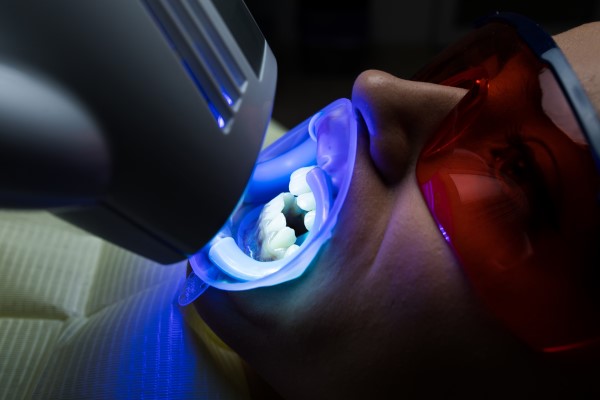
Gingival isolation involves covering or painting the gingival areas with a liquid dam material. This helps to isolate the tissues from any chemical damage. Some systems also use foil intraoral liners, face drapes and/or cheek retractors for a person’s protection. Protective glasses are also often beneficial if a laser setup or curing lamp is going to be used.
Takeaway
After teeth bleaching, an individual may experience some side effects. Some common ones include irritated gums and teeth sensitivity. The good thing is that there are several ways dentists can prevent some side effects. With in-office bleaching, isolation can help prevent tissue irritation due to the use of light and bleaching gels. If you want to learn more about teeth-whitening options and gingival isolation, talk to your dentist. Your dentist will be happy to answer your questions and will ensure you receive the treatment that is right for you.
Are you considering getting teeth bleaching in the Scottsdale area? Get more information at https://sonorandesertdentistry.com.
Check out what others are saying about our dental services on Yelp: Teeth Bleaching in Scottsdale, AZ.
Recent Posts
Teeth whitening is a popular cosmetic dental procedure that helps restore the brightness of your smile and boost your self-confidence. While many dentists offer in-office treatments, there has been a push for greater flexibility in allowing individuals to whiten their teeth from the comfort of their own homes. No matter the method you choose, learning…
For a brighter smile, teeth bleaching is becoming a common treatment for adults. If you are unhappy with the way your teeth look, this could be a viable solution to your concerns. Yellow, brown, or gray discoloration of the teeth can be embarrassing and make you want to hide your smile. The good news is…
Many people want to have teeth bleaching treatments to improve the appearance of their teeth. You may be considering it already. Deciding between dental bleaching and whitening can be tough if you do not know if these terms are different from each other. If you want to know if teeth bleaching and whitening refer to…
Various factors affect tooth color, including genetics, food and beverage choices, smoking, and medications. Stains can occur on the surface of the tooth or beneath the enamel. Surface stains are common, but stains can also occur due to changes within the tooth's material. Extrinsic stains are stains on the surface of the tooth, while intrinsic…