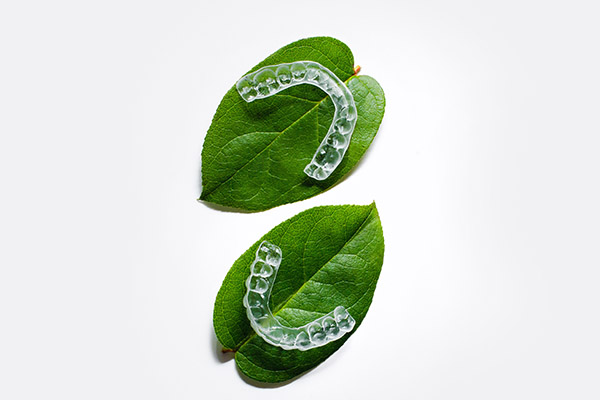
Invisalign® is a great option for dental patients who have issues with their teeth alignment. Read on to learn about dietary restrictions while undergoing Invisalign treatment. The aligner trays are removable, which means patients can take them out when it is time to eat or brush their teeth. It is also easy to brush your teeth and remove any leftover food debris. However, patients need to be wary of certain meals when undergoing Invisalign therapy.
Foods and drinks to avoid during Invisalign treatment
Patients need to limit or avoid the consumption of certain foods while undergoing Invisalign treatment:
Sugary foods and drinks
It is important to clean the teeth properly before wearing the Invisalign aligners. Bacteria present on teeth and gums may feed on little bits of food left in the mouth. Sugary meals, as expected, provide lots of sugars for bacteria to flourish. The bacteria will cause plaque accumulation, resulting in cavities.
Throughout the Invisalign treatment, it is advisable to avoid eating anything overly sweet. Otherwise, the person must have an excellent brushing and flossing routine.
Alcohol
Alcohol contains trace carbohydrates that may contribute to plaque formation. Although alcohol's role in tooth decay is not exactly proven, dentists can often detect when a patient has been drinking even moderately. Although clear spirits such as vodka seem like water, they may significantly promote plaque formation. Plaque may be caused by even a small amount of lime juice in water. If it cannot be avoided, it is better to rinse the mouth after having an alcoholic drink.
Teeth-staining foods and drinks
It is better to prevent discoloration while wearing Invisalign. Otherwise, professional teeth whitening may be necessary after teeth straightening. Dark beverages and foods may discolor Invisalign aligners and the teeth. Extrinsic staining occurs when pigments penetrate the surface of teeth, the enamel layer, whether due to chromogens in alcohol or natural pigment present in meals. Pigment-containing foods and beverages include coffee, pomegranates, blueberries, blackberries, cherries, sports beverages, tomato sauce, and tea.
Sticky foods
Taffy, chewing gum, and caramel are just a few examples of sticky, chewy foods that may cause dental problems. Even with meticulous cleaning, it can be impossible to remove it before re-inserting the aligners completely.
Hard foods
Anything too crunchy, such as unpopped popcorn kernels or ice cubes, may cause your teeth to chip and fracture. Fillings, bonding, and other treatment may be required, which can prolong treatment and affect the pressure on the teeth that is necessary for straightening the teeth.
Final note
Invisalign's cleanliness and nutrition requirements may be difficult to meet for some patients, but it is well worth the effort. By planning your meals meticulously, you can avoid the need for restorative treatment or teeth whitening. Invisalign is a wonderful way to straighten your teeth and get an aesthetically appealing smile. Rinsing with water directly after eating may help minimize the effect of certain meals and drinks on the teeth. However, avoiding them until your Invisalign treatment is complete may be preferable.
Request an appointment or call Sonoran Desert Dentistry at 480-439-0117 for an appointment in our Scottsdale office.
Recent Posts
Teeth-straightening with Invisalign® aims to improve your bite and smile. Straight teeth are more stable and easier to maintain. You can also reap many benefits in your career and social life with straighter teeth. Understanding the process can prepare you well for your first day of treatment. Here are some Invisalign FAQs to ask your…
Invisalign® clear aligners offer a way to straighten teeth without braces. Not everyone is comfortable wearing obvious brackets and wires, so clear aligners present a more flexible and discreet alternative. Explore this and the other benefits of Invisalign clear aligners and determine if you are a candidate.Treatment with clear aligners involves wearing a series of…
Traditional metal braces have long been the go-to option for correcting misaligned teeth. However, Invisalign® is a popular and effective alternative. This innovative method offers numerous benefits, making it ideal for individuals seeking a more discreet and convenient way to straighten their teeth.Invisalign aligners are orthodontic devices that can correct misaligned teeth, such as:CrossbitesCrowded teethGaps…